
Epoxy and polyurethane
floors made to measure
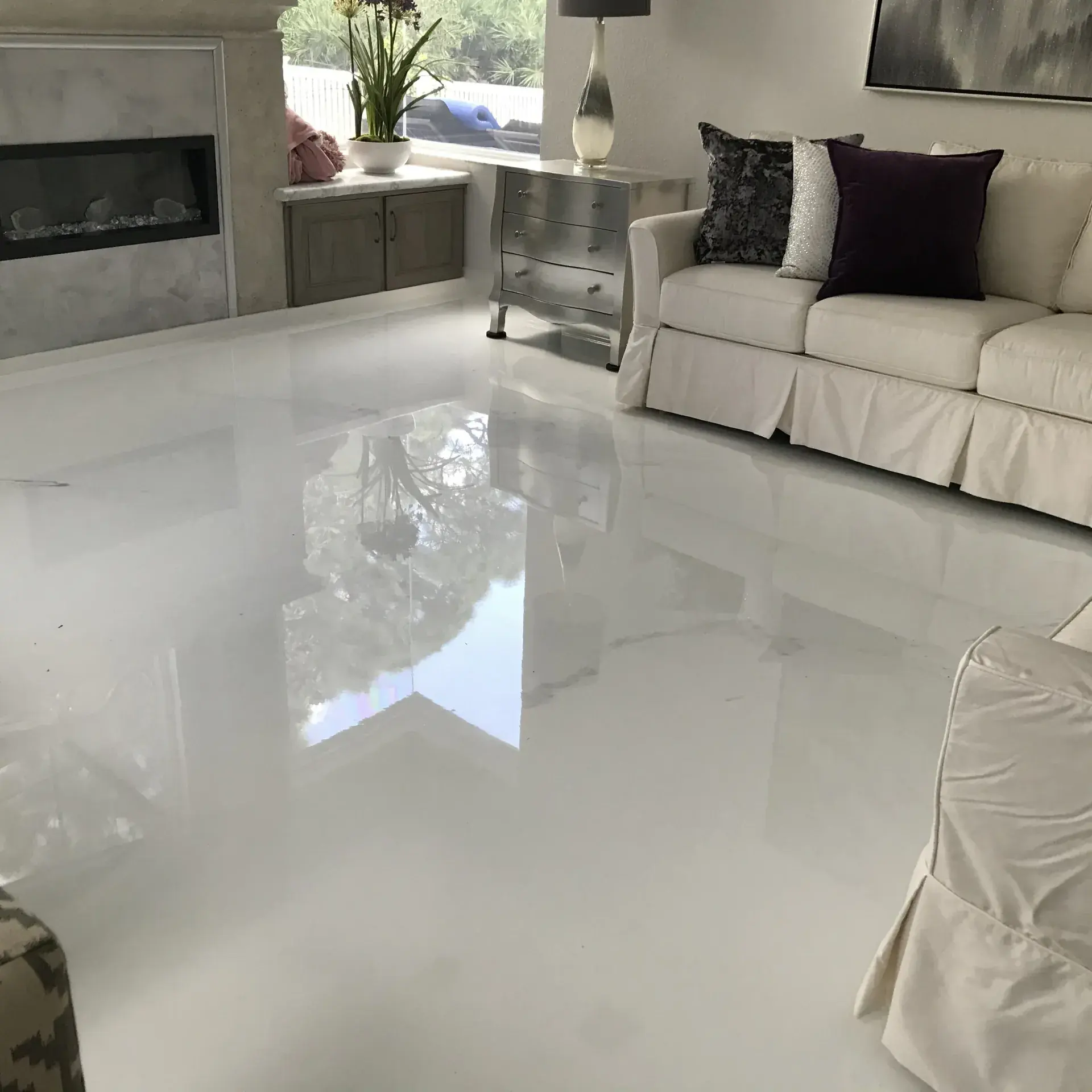
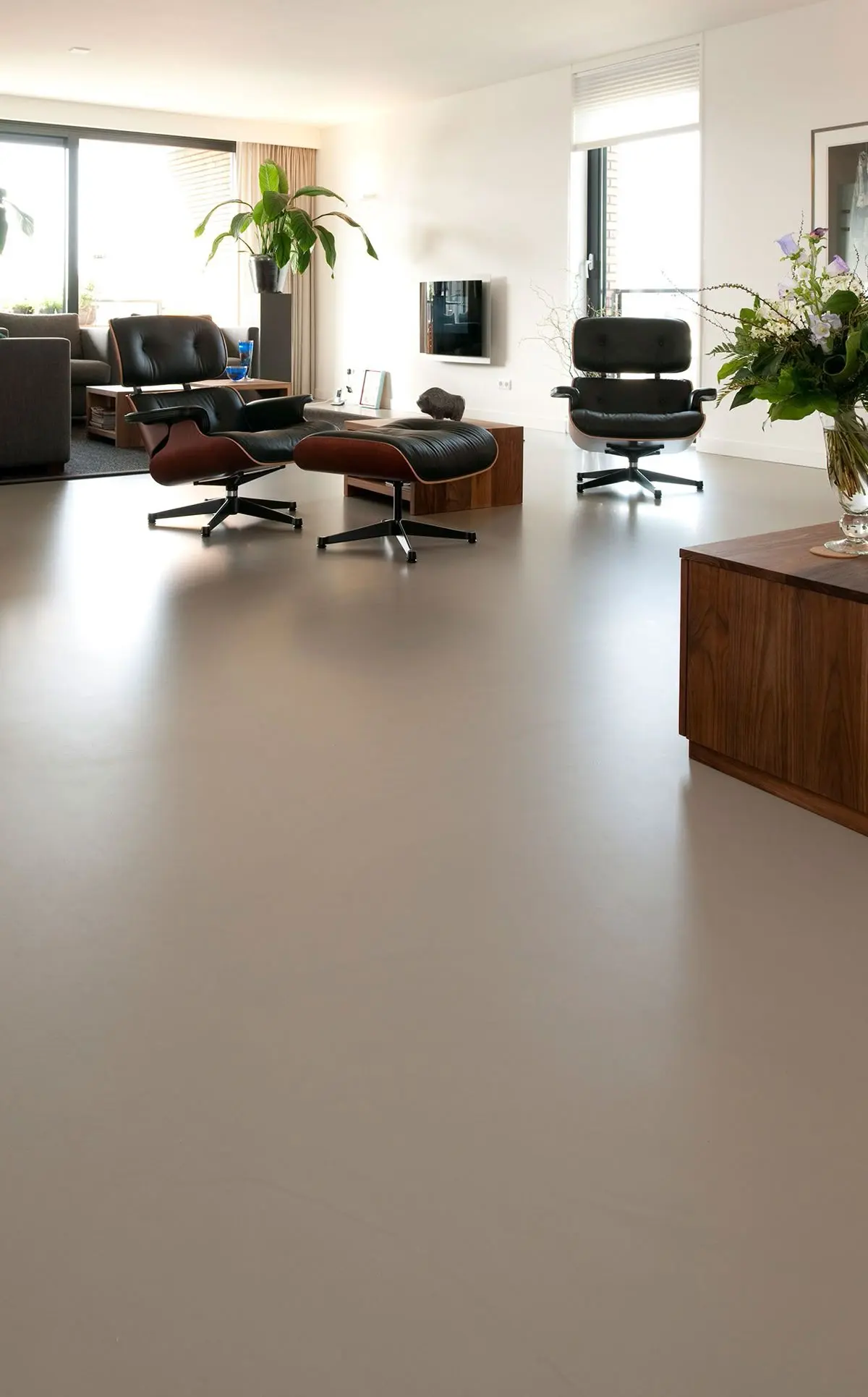
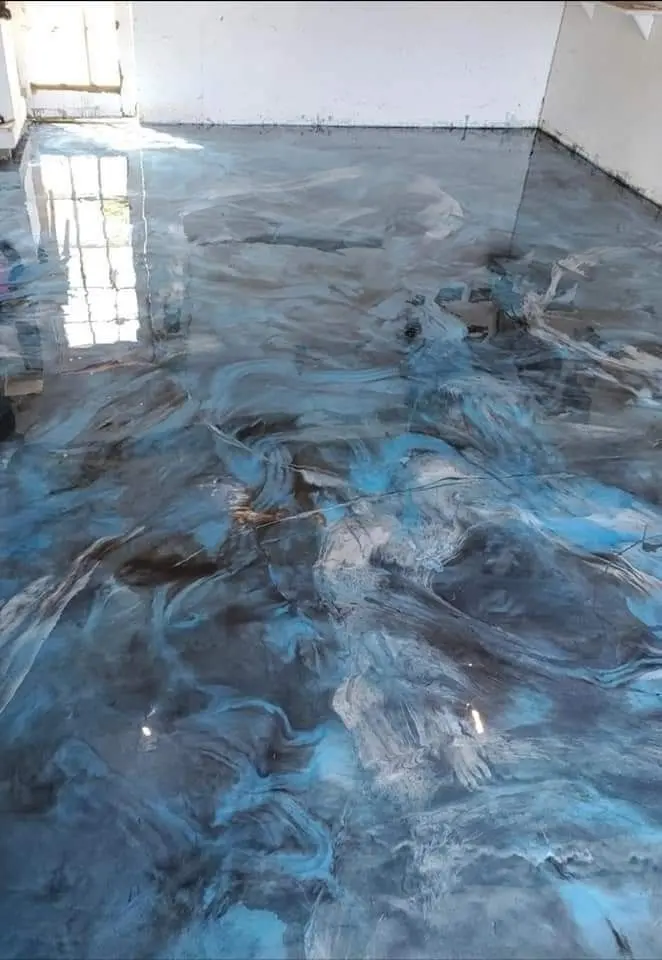
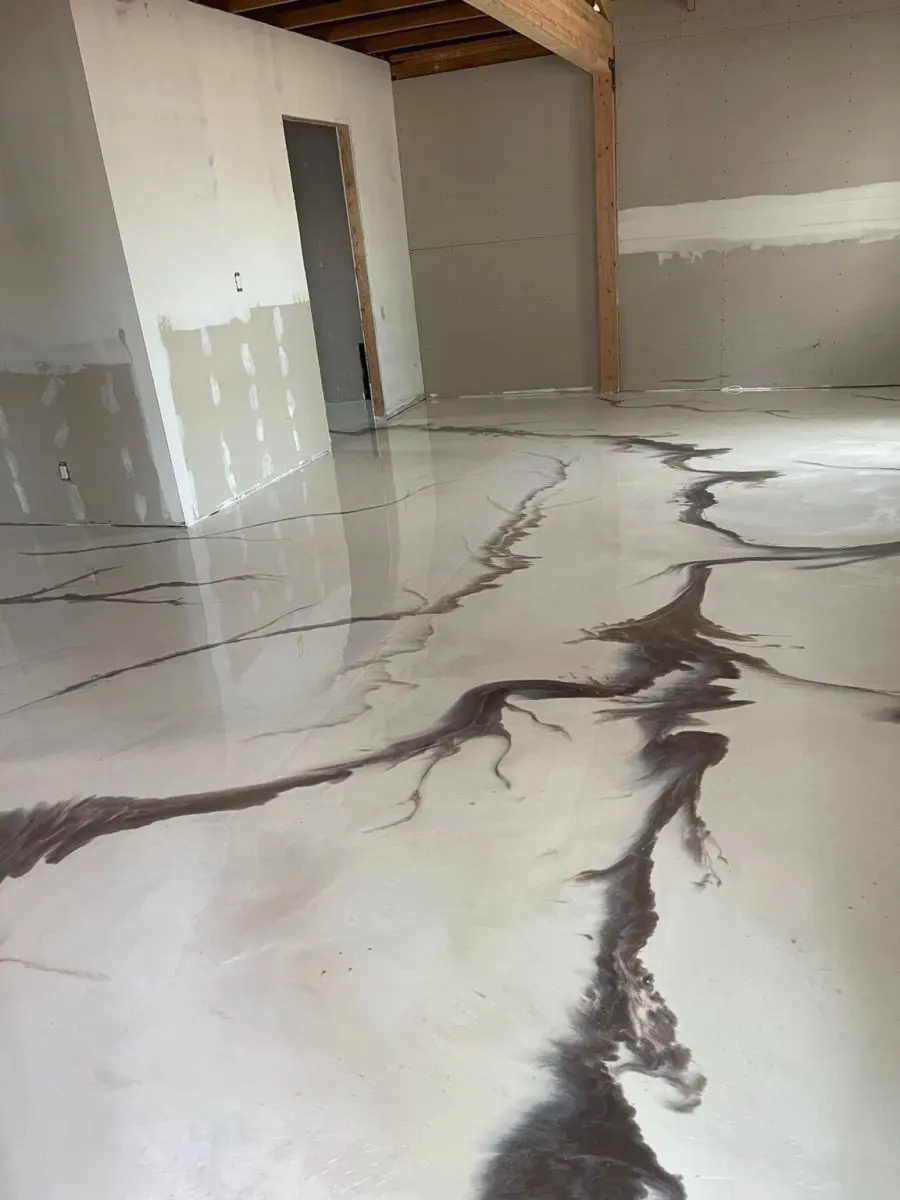



Real experiences.
Epoxy floors by flooring contractor EPOXIDOVO
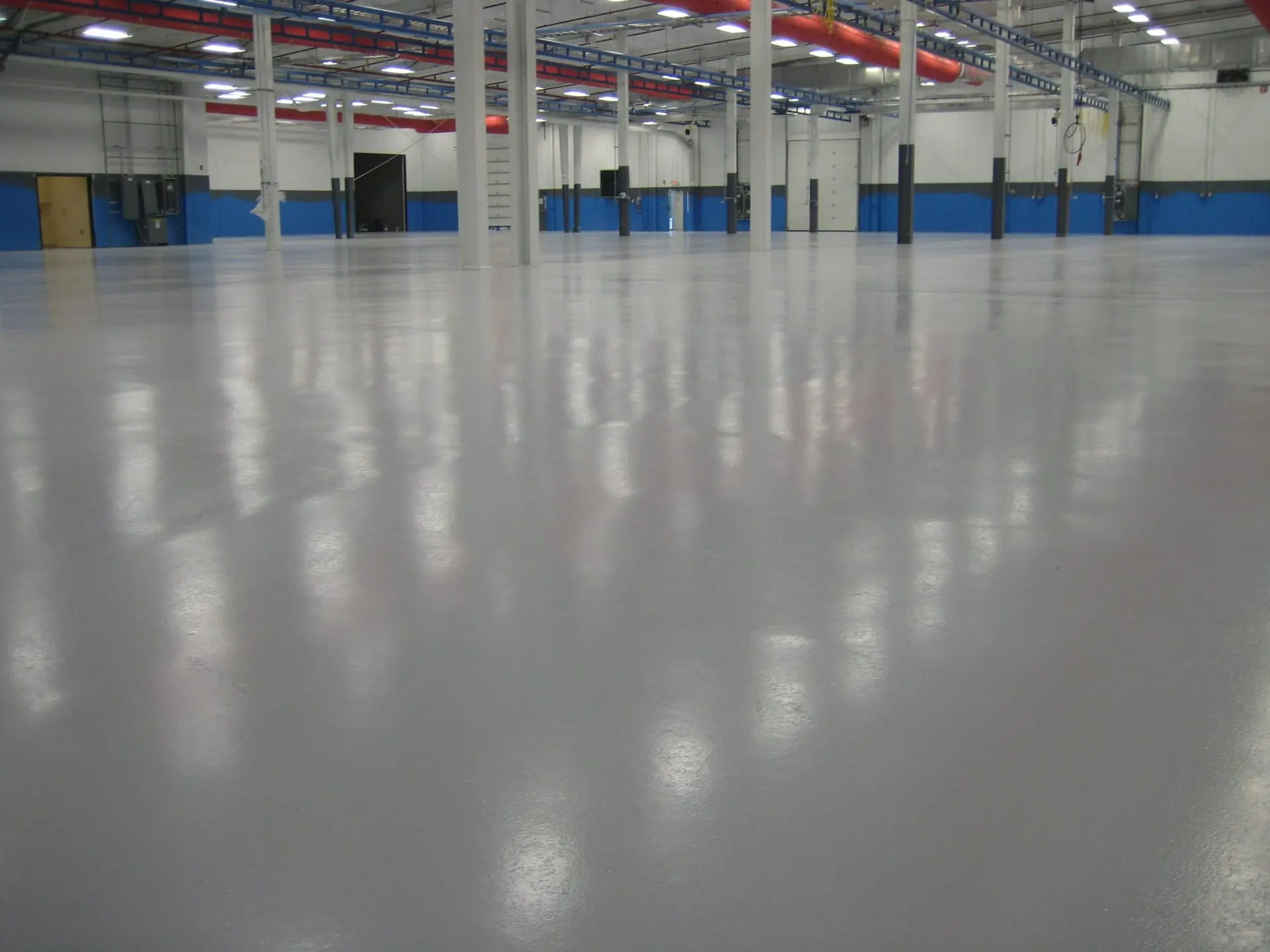
An epoxy floor is a poured resin floor without a single joint. A two-component resin is poured over prepared concrete or screed and cures into one continuous surface that doesn’t soak up oil, is easy to wash and needs no tiles on top. At EPOXIDOVO we handle the whole job, from the site survey to the final topcoat. Our own crews pour floors in Slovakia.
On this site you’ll find eight types of poured resin floor, from solid-colour and flake to metallic and marble-effect. Each type comes with its layer build-up, thickness and a guide price, so you can compare them before you get in touch.
Who an epoxy floor is right for
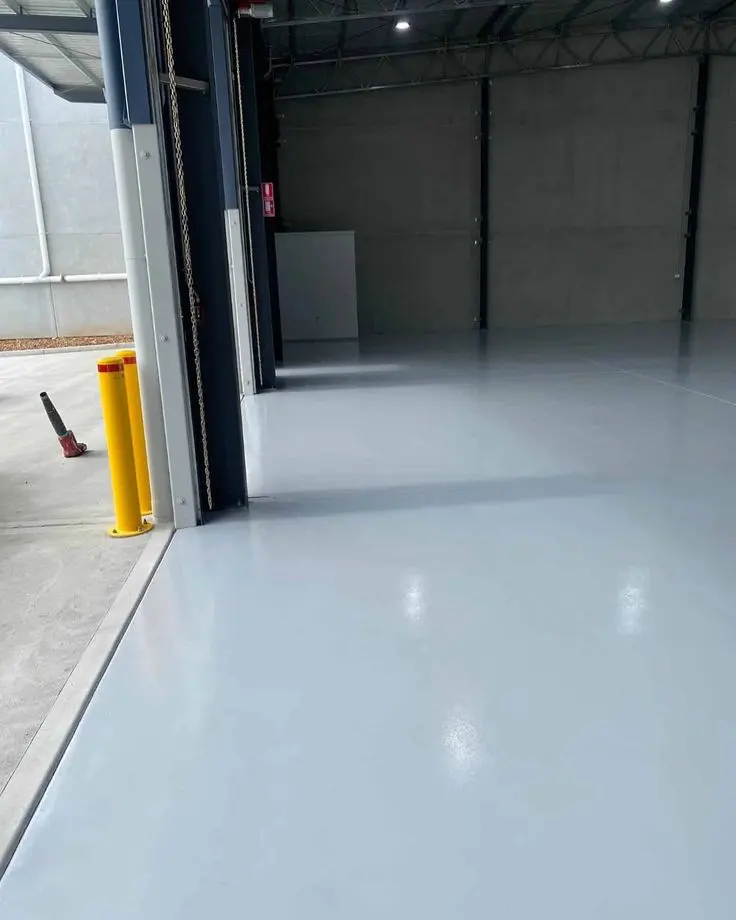
Epoxy pays off most on a garage floor or in a workshop. The system we pour there is built around a main layer of Sikafloor-264 Plus: it stands up to tyres and a jack, and it doesn’t soak up oil or winter road salt.
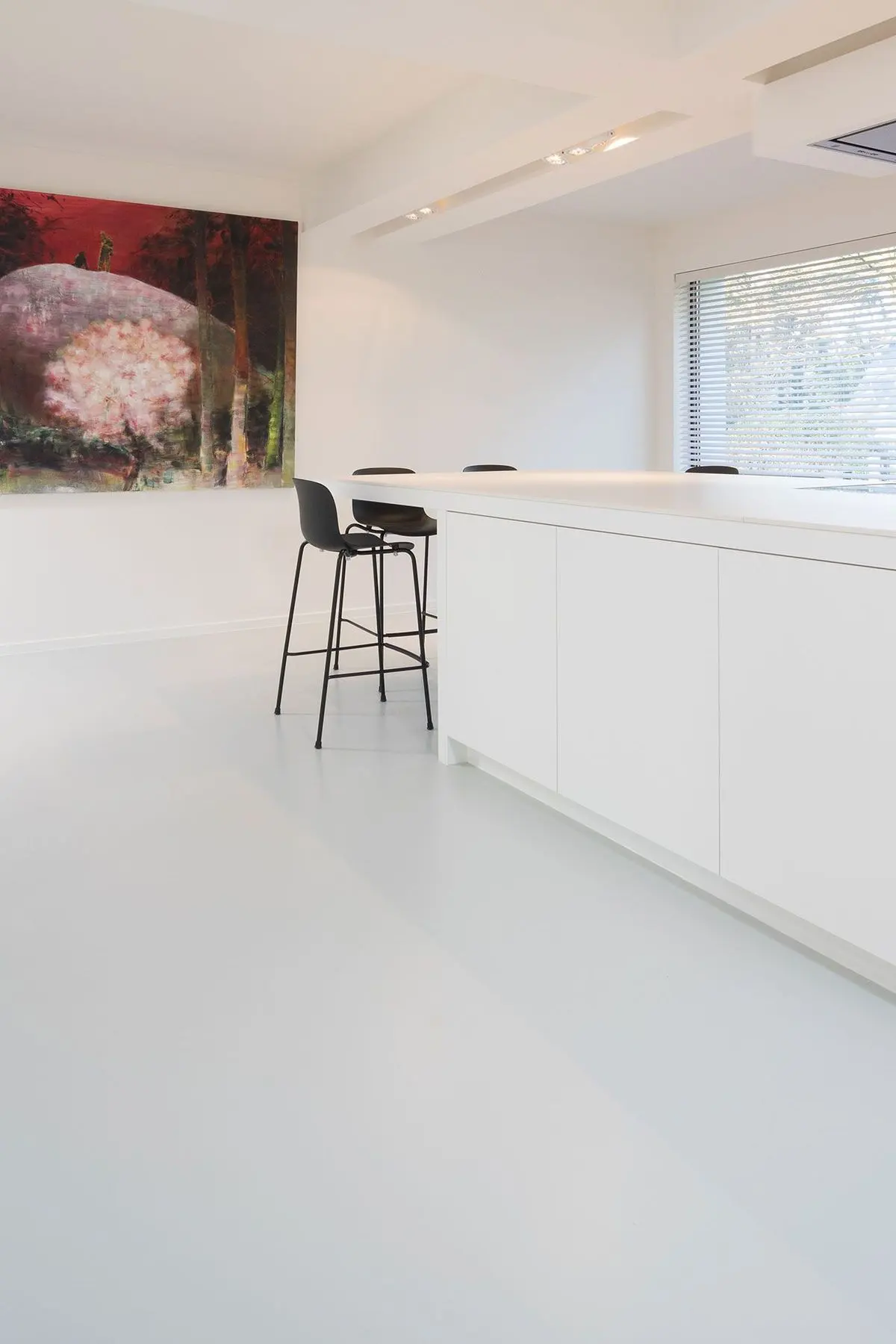
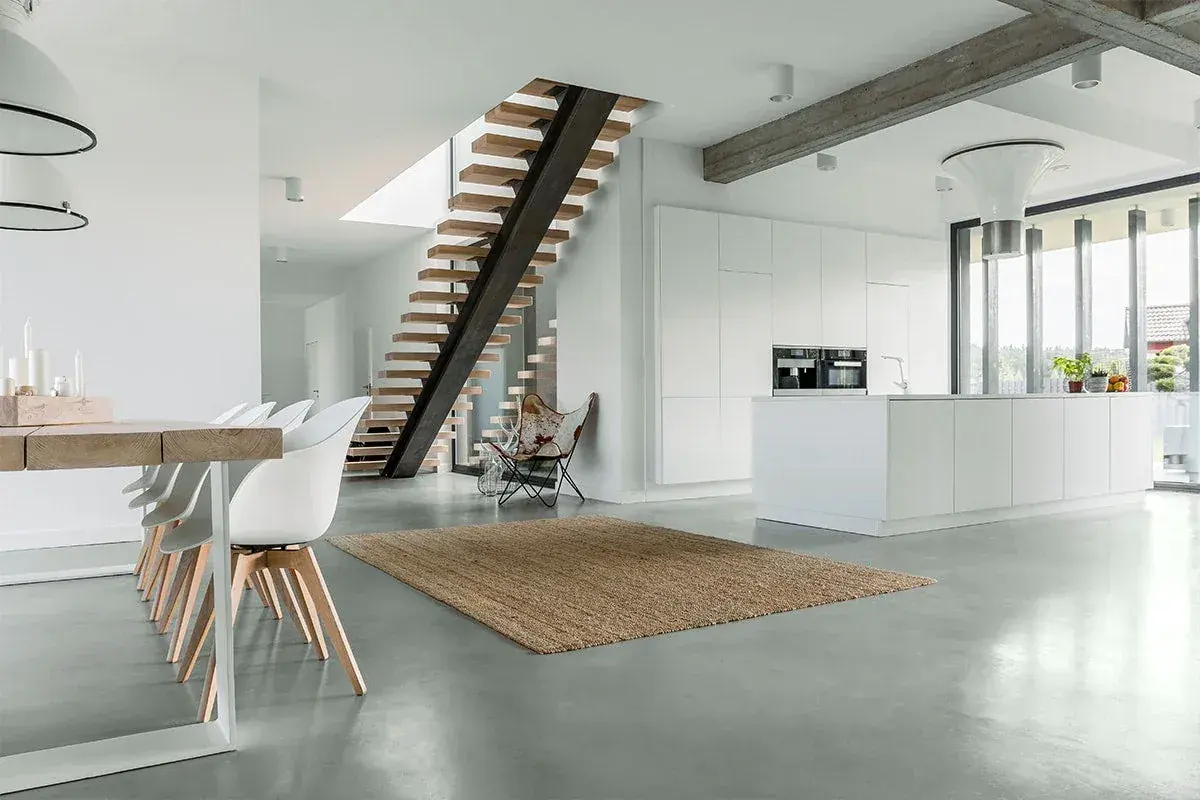
In flats and houses we deliberately use polyurethane, not epoxy. It’s more flexible, softens footsteps, doesn’t feel cold underfoot and won’t yellow under its topcoat. Your choice of looks stays exactly the same — we simply pick the right material for the room on your behalf.
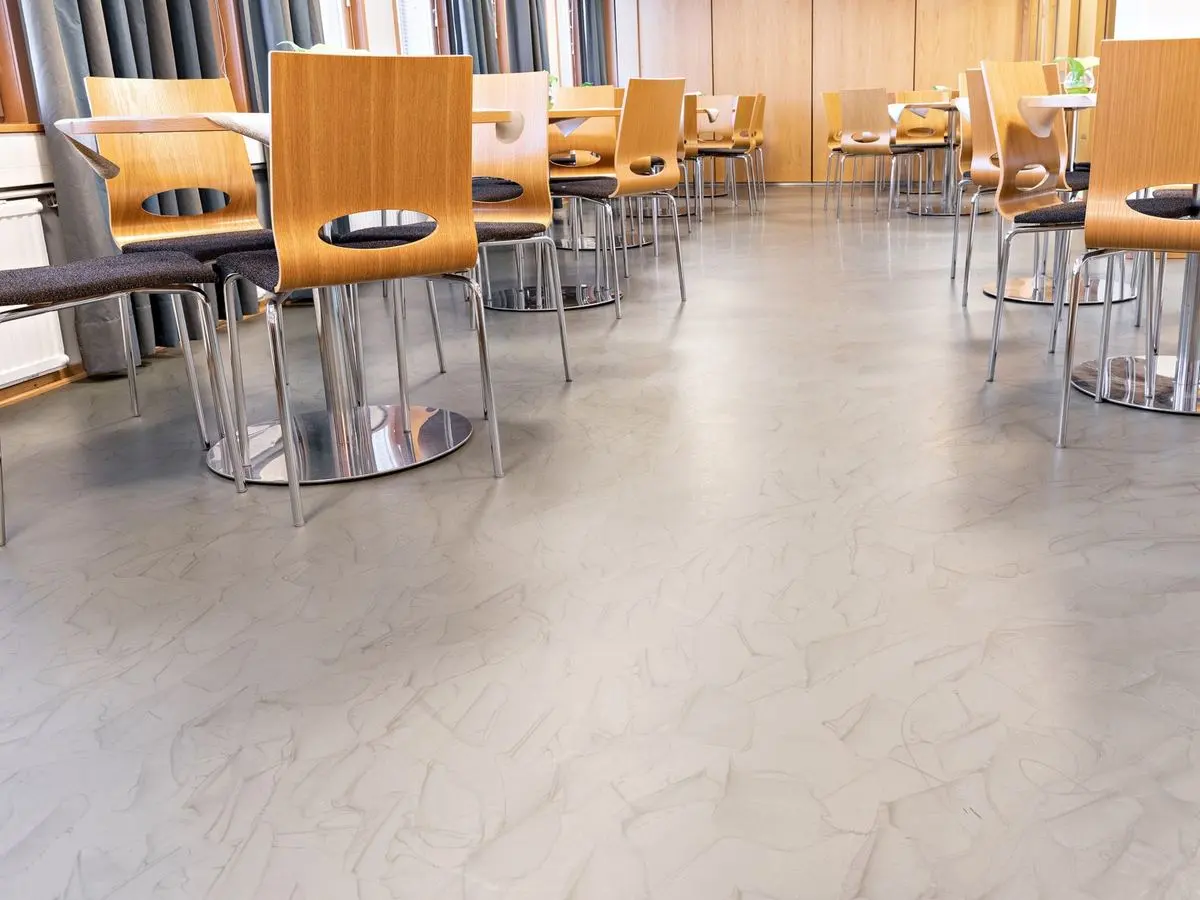
Commercial premises, warehouses and production areas have demands of their own, such as an anti-slip surface, anti-static (ESD) protection or hygiene. We handle those as industrial flooring, priced on request.
Where it works and where it doesn’t
We don’t use epoxy outdoors, because it yellows and chalks in sunlight. For terraces, balconies and outdoor garages we turn to UV-stable polyurethane instead.
We can pour over concrete and over cement or anhydrite screed. Over old ceramic tiles only after a site survey, and on the understanding that the warranty doesn’t cover adhesion to the tiles. Timber and OSB boards move with moisture, so we only design their build-up once we’ve seen them on site.
On stairs we recommend an anti-slip surface. We don’t do metallic or marble effects there, because the anti-slip broadcast would cover them up.
How to choose an epoxy floor
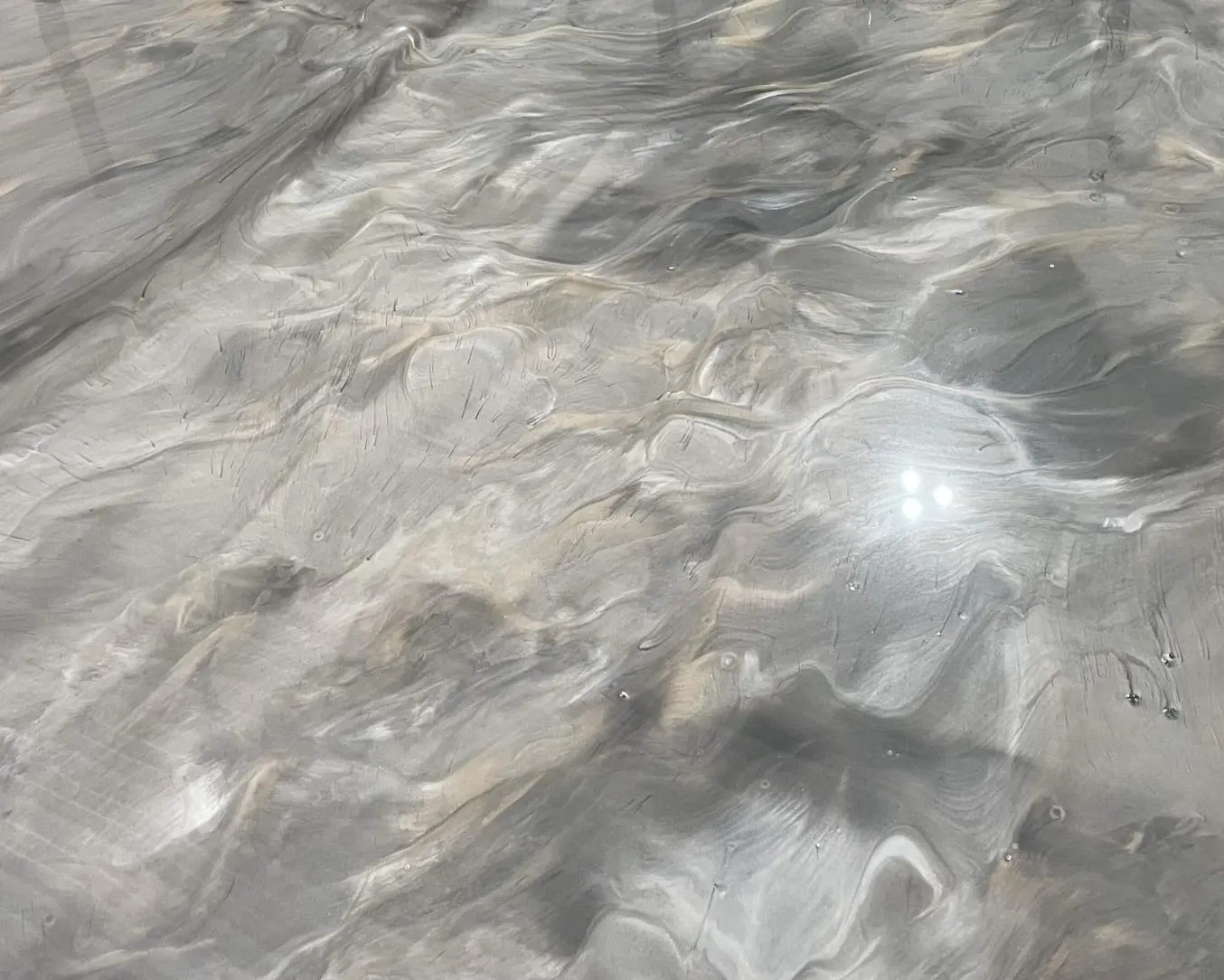
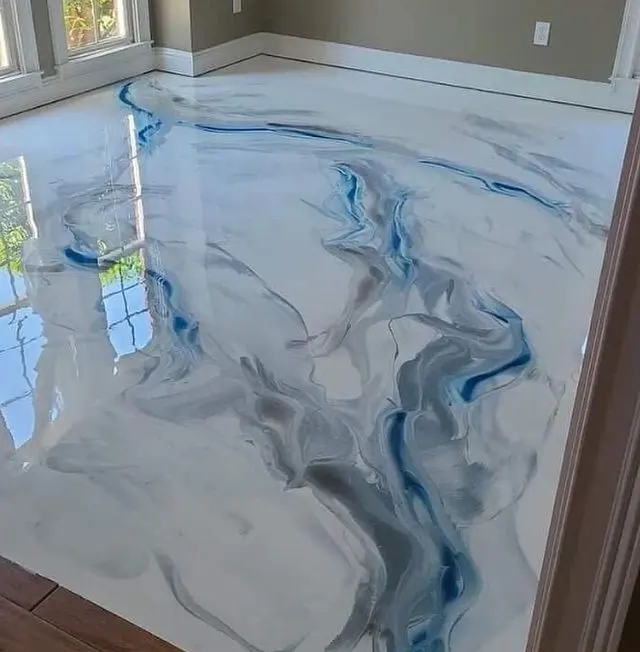
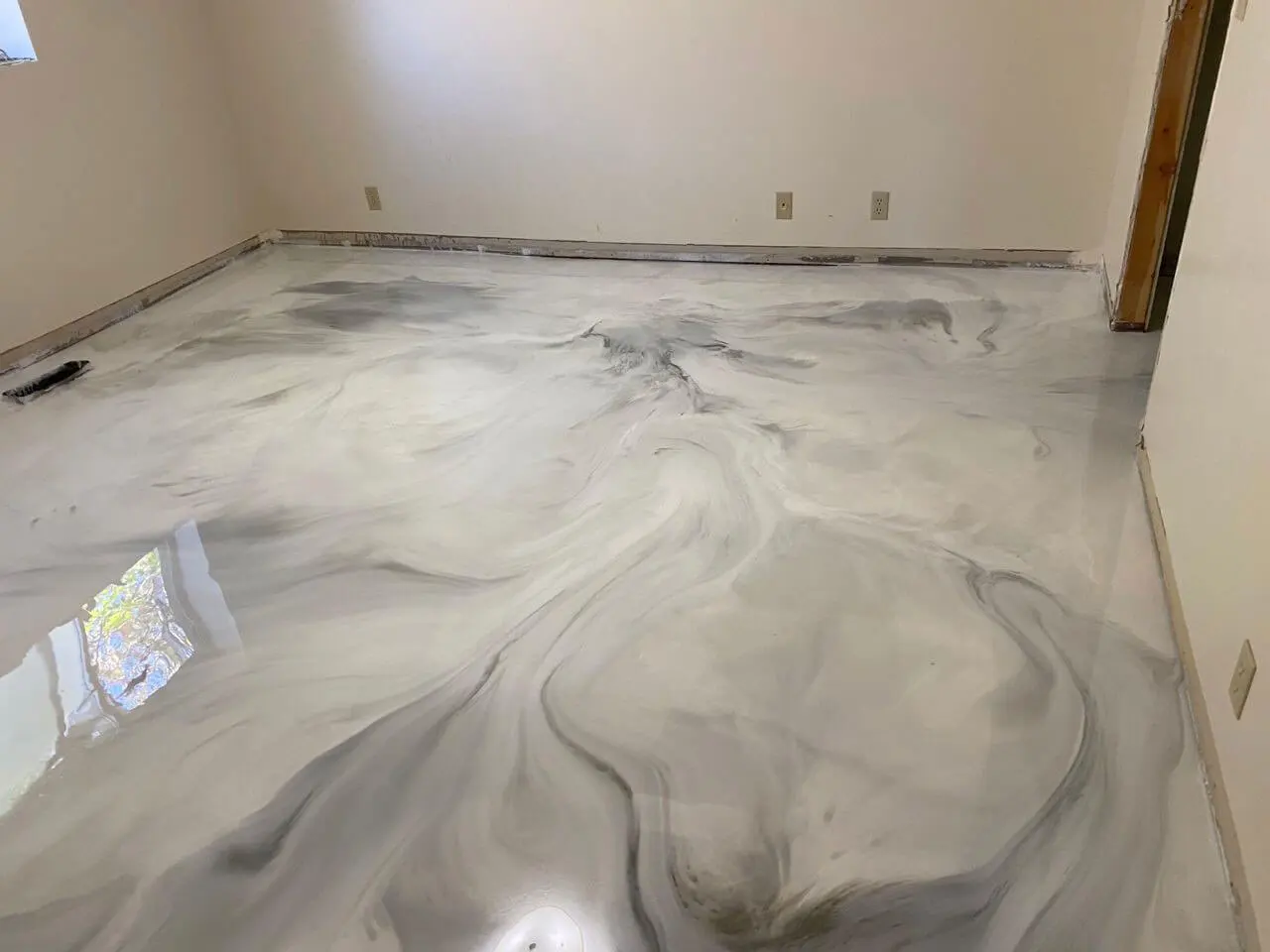
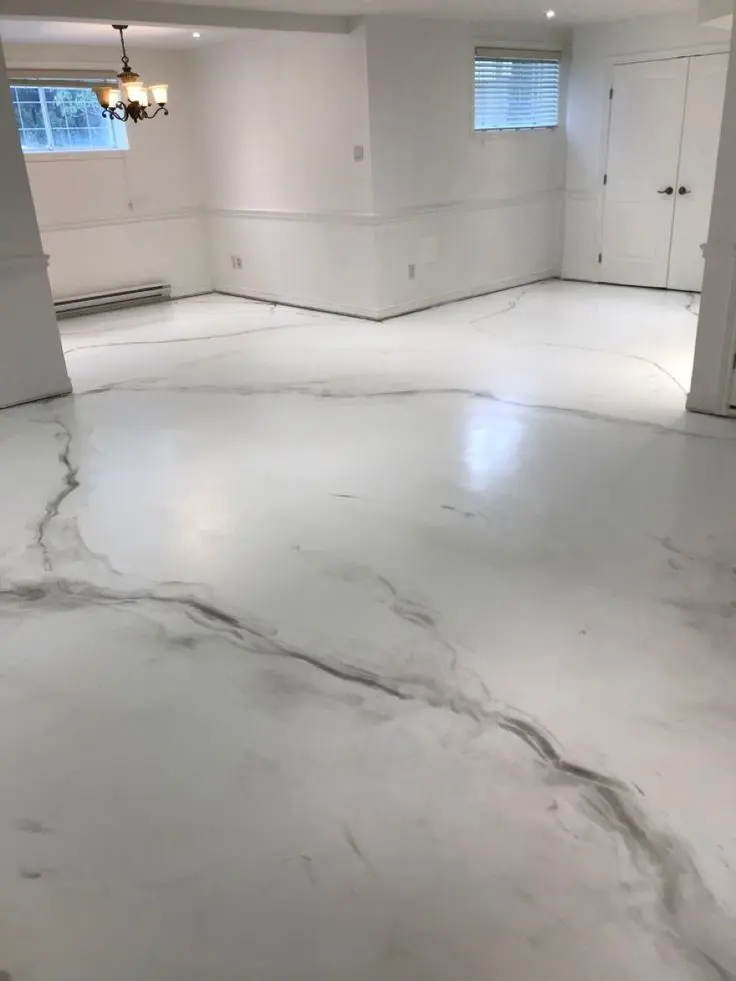
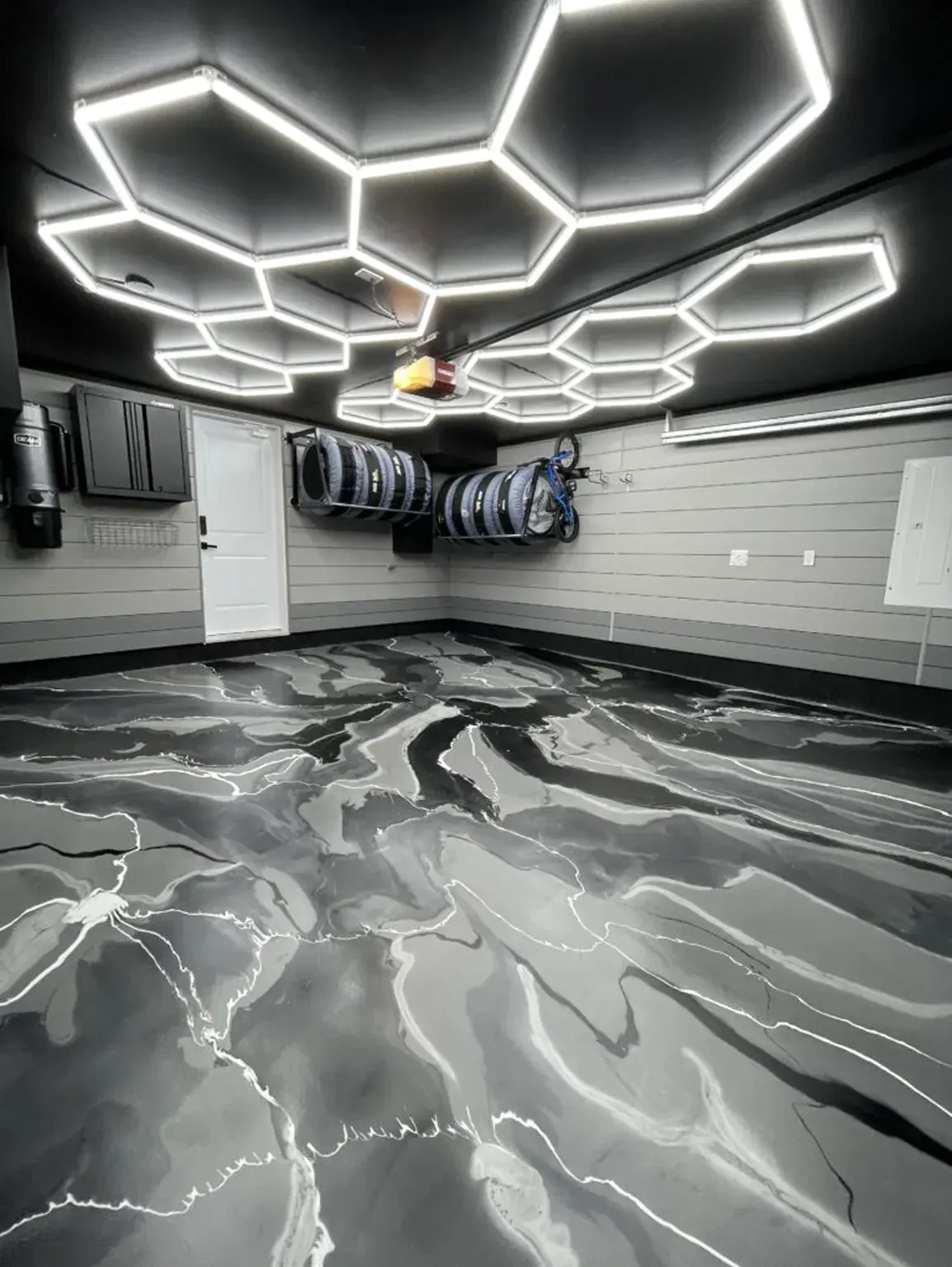
Start with the room, not the colour. The room decides the material and the layer build-up. Then choose the look: a solid colour is calm, flakes hide dust and minor unevenness, and metallic and marble-effect floors are the decorative options, both sealed with a matt topcoat. The substrate has the final say, because it determines the preparation and with it part of the price.
To get a feel for shades and finishes, look at photos of floors we’ve already poured. If epoxy flooring cost is your main question, each floor type’s page gives a guide price per m²; what pushes it up is the preparation your substrate needs.
Why EPOXIDOVO
We’re a flooring contractor from Ružomberok, Slovakia, with more than 200 completed projects. We work with Sika, TopStone and Arturo systems, and the build-up for each kind of space is fixed in advance — we don’t make it up on site.
The site survey and the quote are free and come with no obligation. During the survey we measure the moisture and strength of the substrate, so the quote lists the preparation and the floor itself separately. You can also put a quote together online yourself and we’ll e-mail it to you.